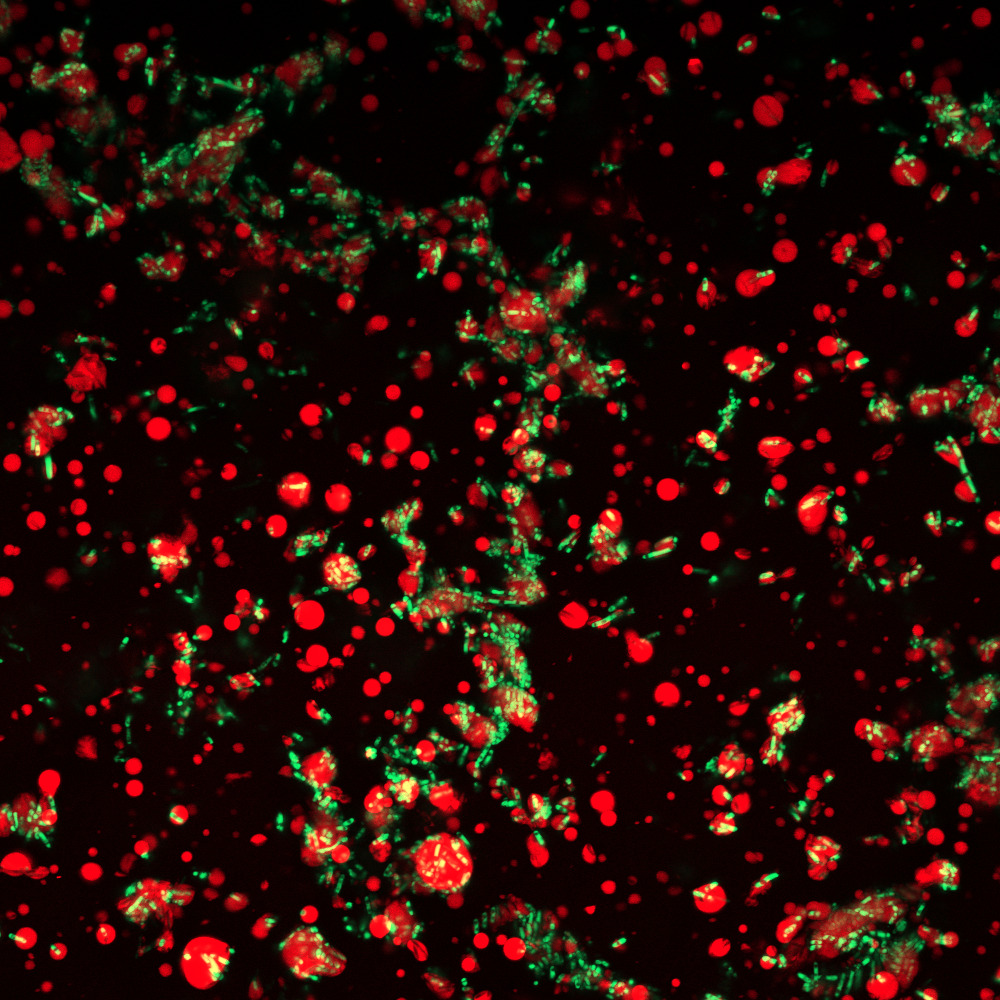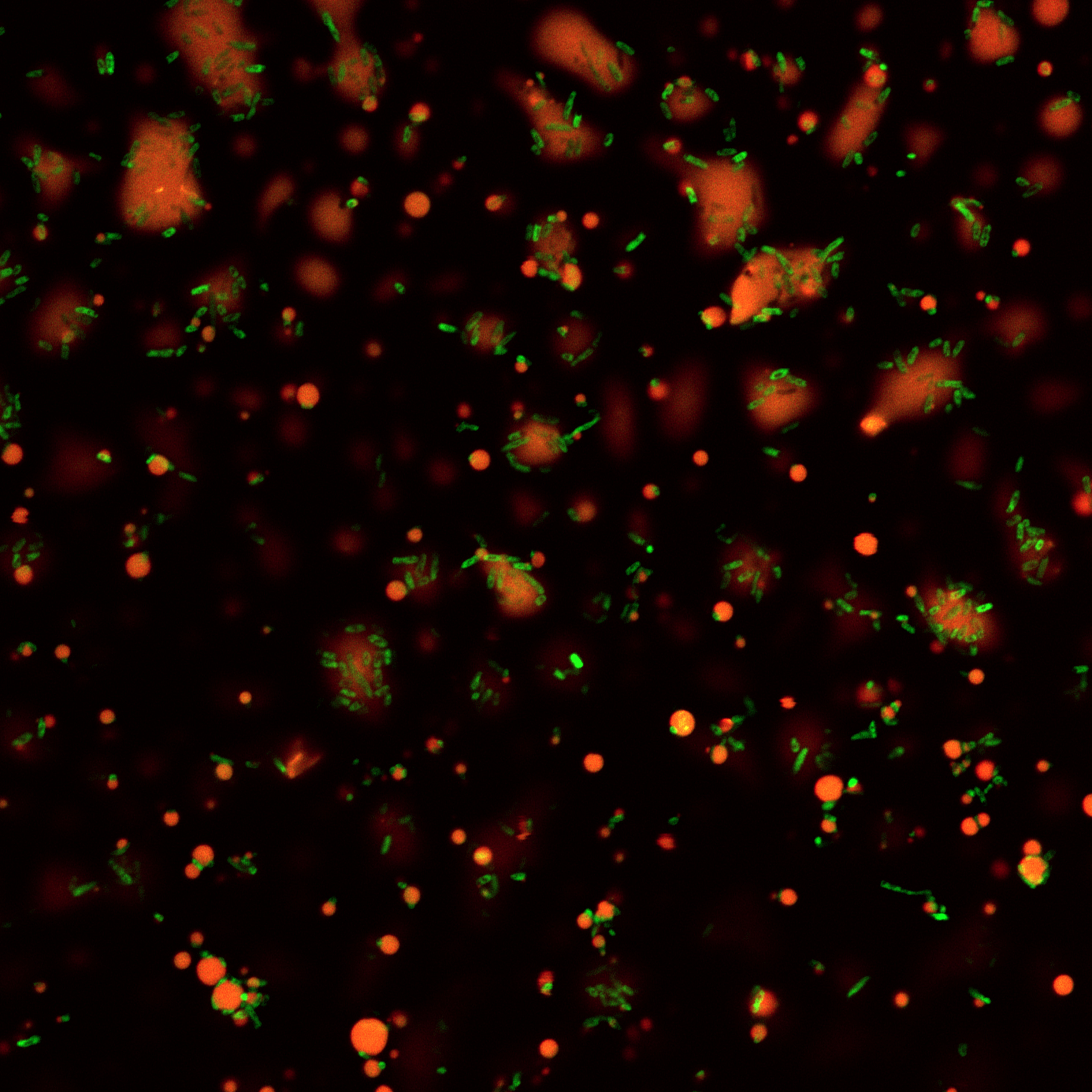






This image on the cover of the November issue of the Journal of Bacteriology prefaces a paper by Archit Gupta and Purnananda Guptasarma in the issue, showing that E. Coli cells advance into simulacrums of bacterial biofilms consisting of phase separated condensates of extracellular DNA, lipopolysaccharide and Nucleoid Associated Proteins such as the histone-like protein, HU. The work carries forward earlier discoveries published in two recent papers in the Journal of Biological Chemistry by the Guptasarma group showing that HU uses its DNA binding sites to bind to both extracellular DNA and sugar-phosphate moieties on lipopolysachharide, and also that HU phase separates with DNA in the bacterial chromosome and in the matrix of expelled extracellular DNA in biofilms..
![]() |
![]() |
Towards a healthy aging…….
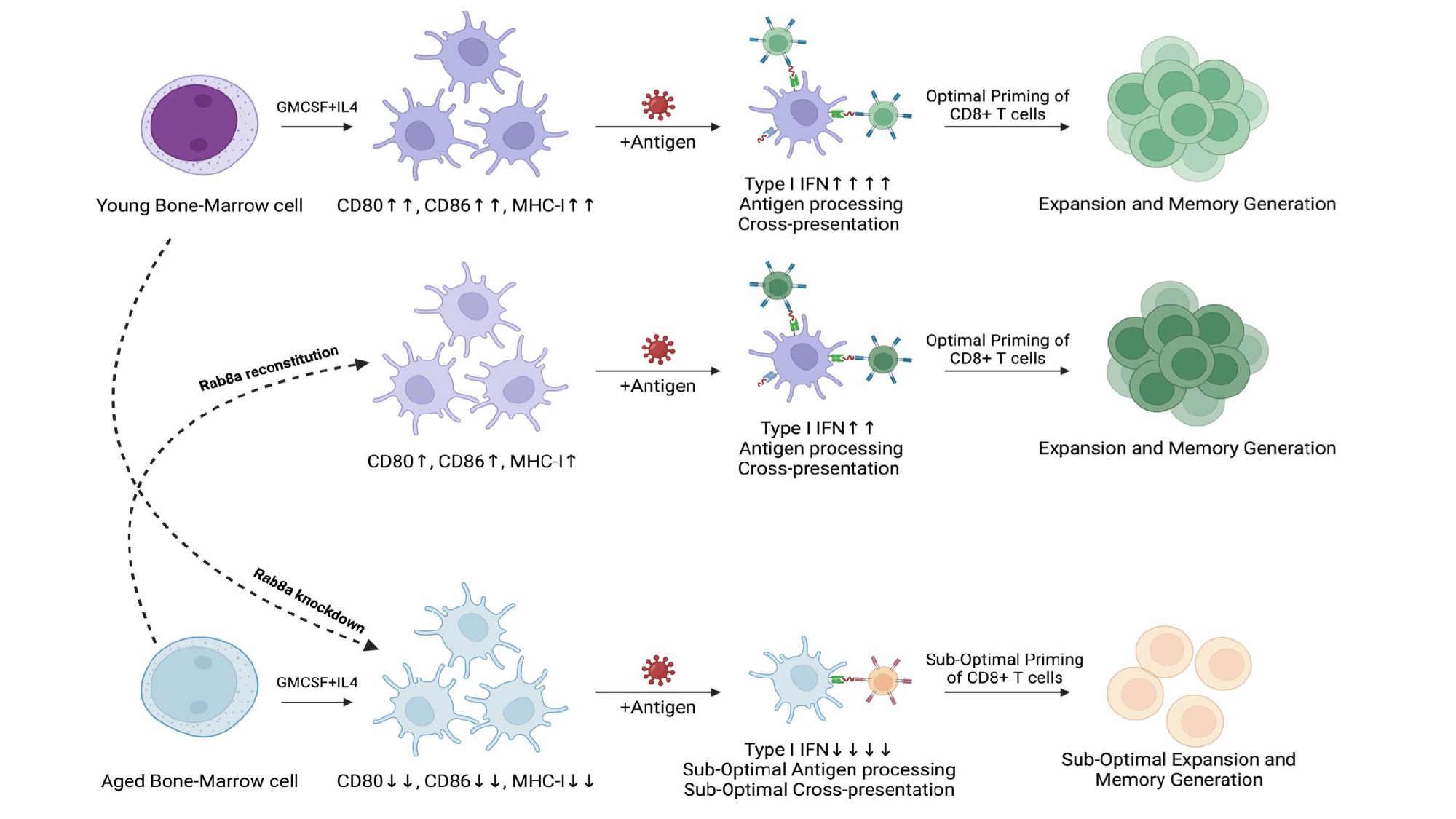
The investigators discover Rab8a, a small GTPase, as a key molecular regulator whose deficiency results in impaired functions of dendritic cells (DCs) in an aging host. The Rab8a reconstituted aged DCs generate potent antiviral IFN response and efficiently expand virus-specific cytotoxic T cells to better control influenza A virus. Such an approach would be valuable for achieving a favourable outcome of infections in the aging populations.

Selected as a quarterly HOT article collection in Dalton Transactions.

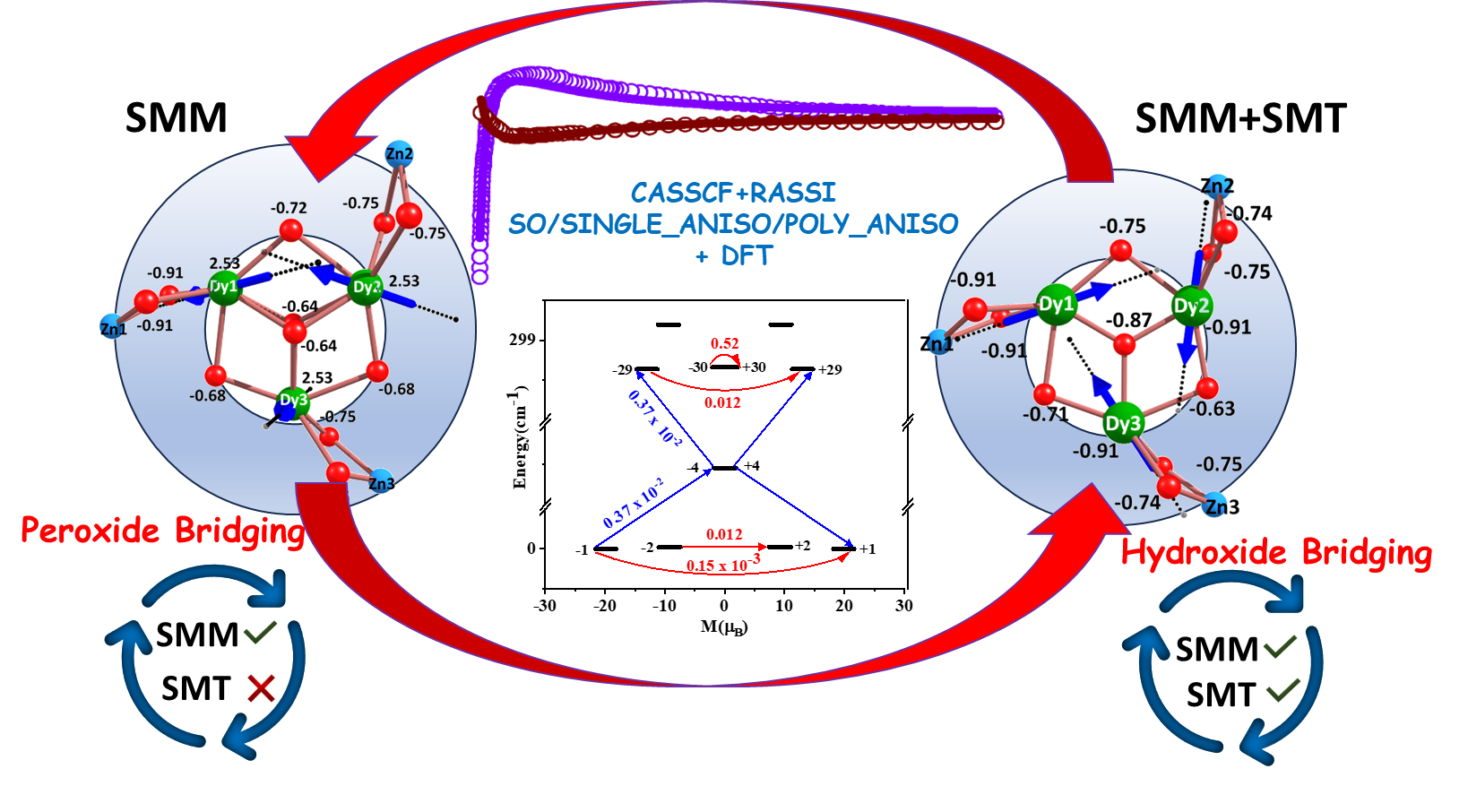
Dr. Kuduva R. Vignesh's paper was selected as a quarterly HOT article collection in Dalton Transactions. This paper presents theoretical research that revealed important aspects of the magnetic characteristics of {M3Ln3} (M = Ni(II), Cu(II), Zn(II) and Ln = Dy(III), Tb(III), Gd(III)) complexes, particularly the influence of different bridging ligands, including peroxide and hydroxide ions, on the Single-Molecule Magnetic (SMM) and Single-Molecule Toroic (SMT) properties. Detailed state-of-the-art ab initio and Density functional theory (DFT) calculations have been undertaken to understand these properties on nine of the fascinating {M3Ln3} double-triangular complexes that possess a peroxide ligand. The experimental magnetic relaxation process and the magnetic exchange interactions for all complexes were explained by the performed calculations, which also strongly imply that the peroxide bridge plays a role in observing SMM behavior in these systems. On the other hand, this peroxide bridge does not support the SMT behavior. Through model studies, it has been discovered that as compared to the LoProp charges of peroxide ion, the greater negative charges on the bridging hydroxide ion reduce quantum tunneling of magnetization (QTM) effects, enabling more desired SMM characteristics and also lead to good SMT behavior.
Highlighted as a hot paper in Angewandte Chemie-International Edition.
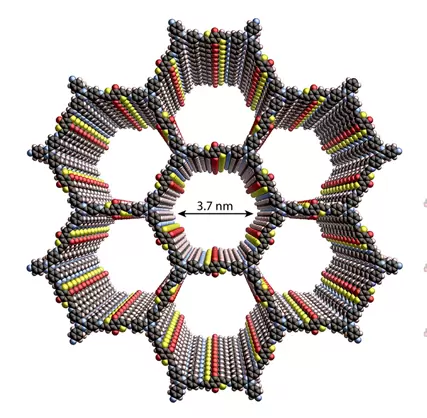
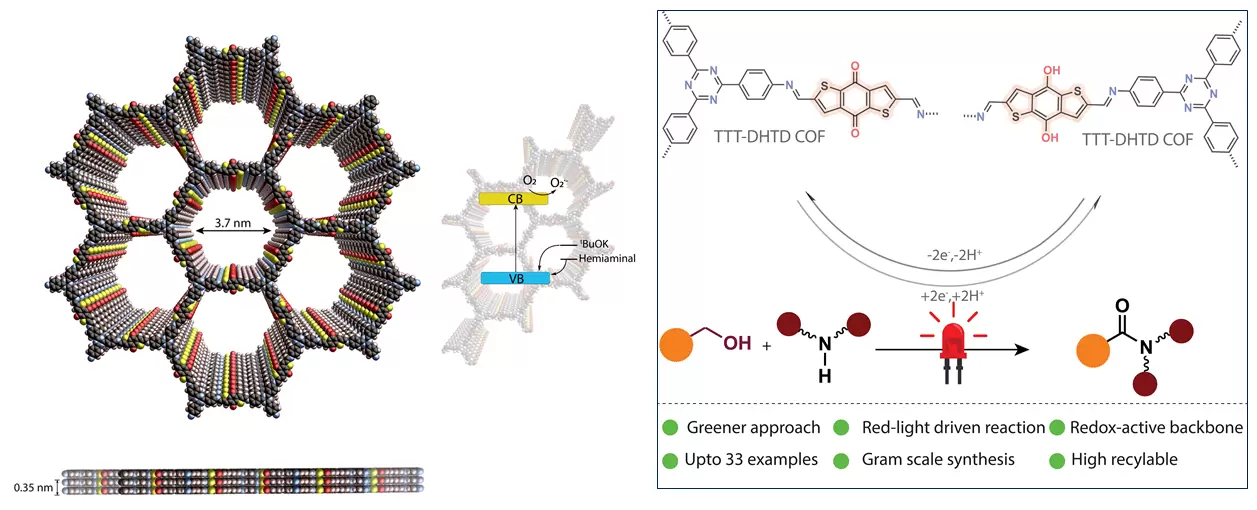
Dr. Debashis Adhikari recent research article titled "Covalent Organic Framework Catalyzed Amide Synthesis Directly from Alcohol Under Red Light Excitation" was highlighted as a hot paper in Angewandte Chemie-International Edition.


Link: https://onlinelibrary.wiley.com/doi/full/10.1002/anie.202410300
Citation: Angew. Chem. Int. Ed., 2023, 63, e202410300
Abstract: The dehydrogenative coupling of alcohols and amines to form amide bonds by homogeneous transition metal catalysts is a demanding reaction requiring a temperature range of 130–140 °C. In our pursuit of an efficient and recyclable photocatalyst capable of conducting this transformation at room temperature, we report a COF-mediated dehydrogenative synthesis. The TTT-DHTD COF was strategically designed to incorporate a high density of functional units, specifically dithiophenedione, to trap photogenerated electrons and effectively facilitate hydrogen atom abstraction reactions. The photoactive TTT-DHTD COF, synthesized using solvothermal methods showed high crystallinity and moderate surface area, providing an ideal platform for heterogeneous amide synthesis. Light absorption by the COF across the entire visible range, narrow band gap, and valence band position make it well-suited for the efficient generation of excitons necessary for targeted dehydrogenation. Utilizing red light irradiation and employing extremely low loading of the COF, we have successfully prepared a wide range of amides, including challenging secondary amides, in good to excellent yields.
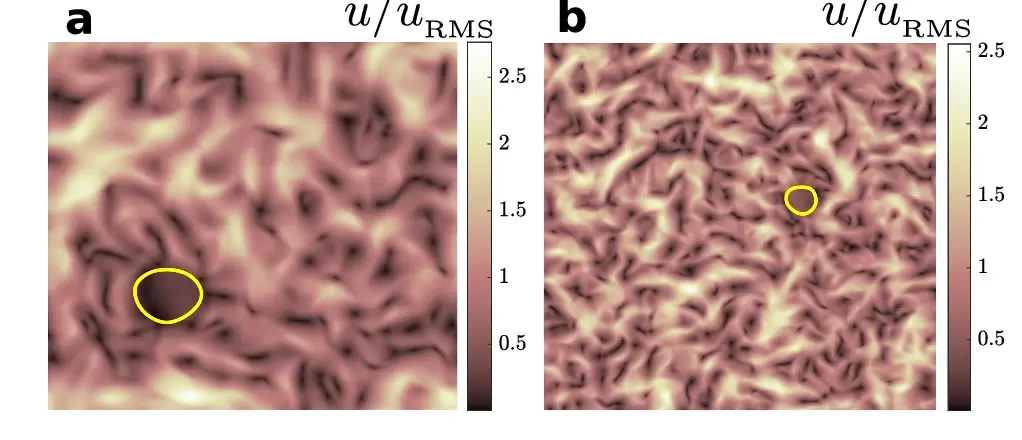
Anomalous dynamics of a passive droplet in active turbulence :

![]() |
![]() |
![]() |
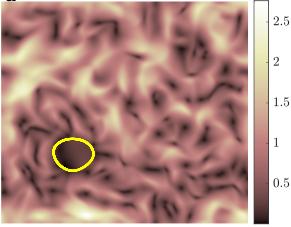
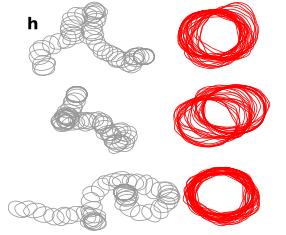
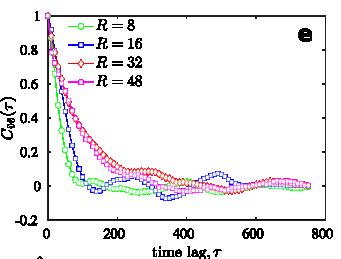
The study of passive particles within active fluids, like bacterial swarms and the cellular cytoskeleton, offers valuable insights into these complex systems. This approach, known as microrheology, can reveal properties like the dynamics of intracellular vesicles and granules through the cytosol, or the far from equilibrium dynamics of dense bacterial swarms. While recent experiments have shown some success in manipulating rigid inclusions within active fluids, the behaviour of deformable boundaries remains unexplored. To answer this fundamental question, we suspend a passive droplet as a model for a soft particle, in an active turbulent fluid. The droplet fluctuates in shape and shows periods of moving and stopping. At low interfacial tension, the droplet breaks and mixes with the outer active bath. We establish that the droplet motion is influenced by the interplay of spatial correlations of the flow and the droplet size.
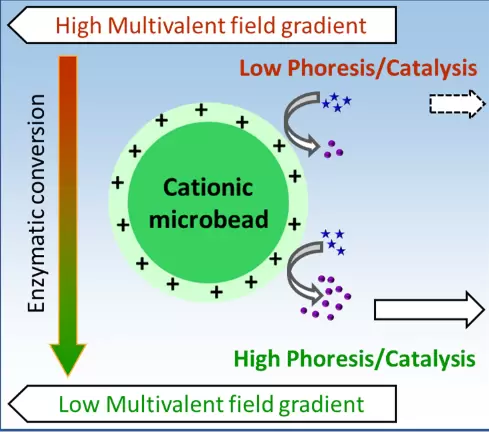
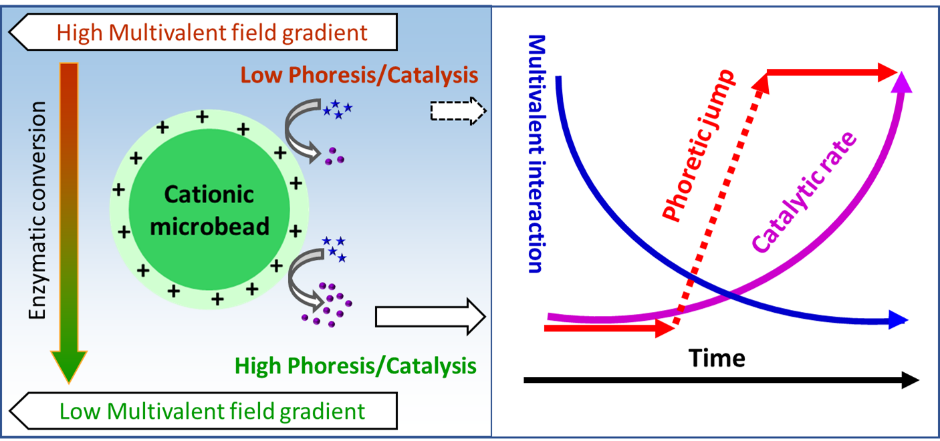
In situ enzymatic control of colloidal phoresis and catalysis through hydrolysis of ATP
Nature Communications, volume 15, Article number: 3603 (2024)
Link: https://www.nature.com/articles/s41467-024-47912-2


Summary: The design of synthetic systems that can sense chemical gradients and respond with directional motility and chemical activity is of interest. Here we realize and control such behaviours in a synthetic system by tailoring multivalent interactions of adenosine nucleotides and catalytic microbead. This can find applications - in programming the delivery of colloids for chemical processes (e.g. catalysis or drug release) as a function of space and time by switching on or off phoretic activity and will enable precise control of particle transport in biological and other complex systems with reaction-diffusion processes.
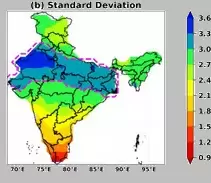
Scientists uncover causes behind ongoing cold wave in north India - Huge rise in number of cold wave days despite global warming: Study

Dr. Raju Attada group featured in India TV, DH and The New Indian Express.
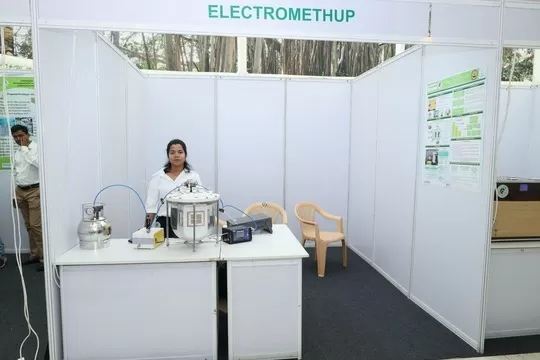
EES team led by Dr. Sunil – “ElectroMethUp”, was one of the winners at the Carbon Zero Challenge 2023 – a flagship event/competition organized by IIT Madras.
ElectromethUp, a team led by Dr. Sunil Anil Patil and his students Ms. Moumita Roy, Ms. Mansi and Mr. Ravineet Yadav has developed an electricity-driven microbial process system for boosting the calorific value of biogas through carbon dioxide utilisation.
The byproduct from the process also has a market. The innovation was recognised for its potential carbon utilisation.
Location– Mohali, Punjab
Team Members–
IISER Mohali, Knowledge city, Sector 81, SAS Nagar, Manauli PO 140306
Telefax : 2240266, 2240124
+91 - 172 - 2240266